Carpal tunnel surgery can bring significant relief from the numbness, tingling, and pain that come with carpal tunnel syndrome. However, surgery is only the first step. For many patients, the recovery process requires dedicated rehabilitation to restore full strength, flexibility, and function to the hand and wrist. Occupational therapy plays a central role in that recovery, and for those seeking carpal tunnel syndrome treatments in Long Island NY, East End Occupational Therapy provides the specialized post-surgical care needed to get back to everyday life.

How Occupational Therapy Helps After Carpal Tunnel Surgery
What Happens After Carpal Tunnel Surgery?
Carpal tunnel release surgery involves cutting the transverse carpal ligament to relieve pressure on the median nerve. While the procedure itself is relatively straightforward, the tissues around the wrist need time to heal, and the hand must be gradually reconditioned before normal activity can resume.
In the days and weeks following surgery, patients commonly experience:
- Swelling and tenderness around the wrist and palm
- Stiffness in the fingers and wrist
- Weakness in grip strength
- Scar sensitivity or discomfort at the incision site
- Temporary changes in sensation as the nerve heals
These symptoms are a normal part of the healing process, but left unaddressed, they can lead to prolonged recovery or limitations in hand function. That is where occupational therapy becomes essential.
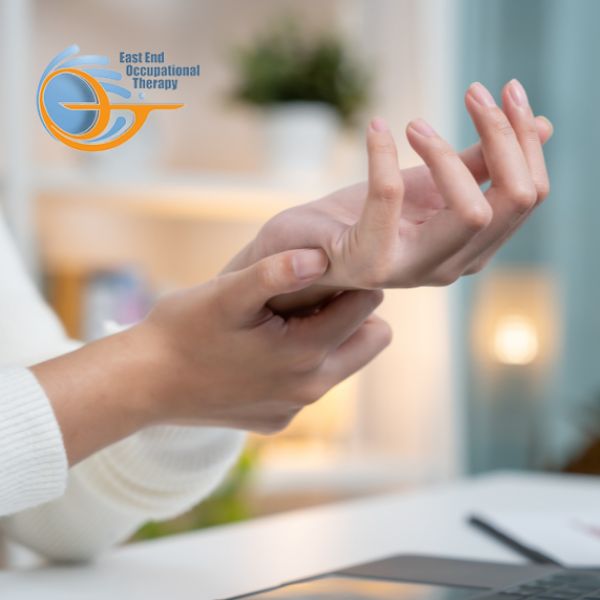
The Role of Occupational Therapy in Post-Surgical Recovery
Occupational therapists who specialize in hand and upper extremity rehabilitation are uniquely trained to guide patients through the recovery process following carpal tunnel surgery. At East End Occupational Therapy, the focus is on restoring the functional use of the hand so patients can return to the activities that matter most to them, whether that is returning to work, caring for family, or simply performing daily tasks without pain.
Edema and Pain Management
Controlling swelling and discomfort in the early stages of recovery is a top priority. Occupational therapists use a combination of elevation techniques, manual therapy, and therapeutic modalities to reduce inflammation and improve comfort. Managing edema early helps prevent stiffness from setting in and allows the healing process to progress more smoothly.
Scar Management
The incision from carpal tunnel surgery leaves a scar at the base of the palm. Without proper care, scar tissue can become tight, adhere to surrounding structures, and contribute to ongoing pain or a limited range of motion. Occupational therapists provide scar desensitization and massage techniques to keep the scar tissue pliable, reduce hypersensitivity, and improve comfort over time.
Restoring Range of Motion
Stiffness in the fingers, thumb, and wrist is common after surgery. Occupational therapists design specific exercise programs to progressively restore the full range of motion in the hand and wrist. These exercises are carefully progressed based on each patient’s healing, ensuring that tissues are not stressed before they are ready.
Grip Strength and Functional Strength Training
One of the most important goals of post-surgical rehabilitation is to rebuild hand strength. Many patients are surprised to find that even after the pain from carpal tunnel syndrome is relieved, weakness in grip and pinch can remain for weeks or months. A structured strengthening program introduced at the appropriate time during recovery helps patients regain the strength needed to return to their normal activities.
Custom Splinting
Depending on the stage of recovery and the patient’s specific needs, a custom-fabricated splint may be used to protect the healing tissue while still allowing appropriate movement. At East End Occupational Therapy, custom splints are made on-site to ensure the best possible fit and protection for each individual patient.
Activity Modification and Education
Part of a successful recovery is learning how to protect the healing hand during daily activities. Occupational therapists educate patients on activity modification strategies, ergonomic adjustments, and pacing their return to more demanding tasks. This is especially important for patients who work with their hands or have physically demanding jobs.
When Should You Start Occupational Therapy After Surgery?
The timing of occupational therapy after carpal tunnel surgery depends on the type of procedure performed and the operating surgeon’s recommendations. Some patients begin therapy within the first week after surgery, while others start a few weeks into recovery. In most cases, therapy begins once the surgeon provides clearance for rehabilitation.
Starting therapy at the right time is important. Beginning too early may disrupt the healing process, while waiting too long can allow scar tissue to form, stiffness to worsen, and functional limitations to become harder to address. An occupational therapist will work directly with the referring surgeon to develop a plan of care that is appropriately timed and tailored to the patient’s individual recovery needs.
How Long Does Rehabilitation Take?
Recovery timelines vary from patient to patient and depend on several factors, including the severity of the original nerve compression, the type of surgery performed, the patient’s age and overall health, and how consistently they participate in their therapy program.
In general, many patients see meaningful improvement in the first few weeks of therapy. Full recovery, however, can take several months, particularly for patients who had significant nerve damage prior to surgery. Consistent attendance and compliance with home exercises are key factors in achieving the best possible outcome.
Carpal Tunnel Syndrome Treatments in Long Island, NY
For patients throughout Nassau and Suffolk County, East End Occupational Therapy offers comprehensive carpal tunnel syndrome treatments in Long Island NY, including post-surgical rehabilitation at multiple convenient locations. The team at East End OT works closely with referring orthopedic and hand surgeons to ensure that each patient receives coordinated, high-quality care from the moment they begin therapy through their discharge.
With offices in Bohemia, Massapequa, Rockville Centre, and Plainview, East End Occupational Therapy serves patients across Long Island, with a strong presence in Suffolk County for those seeking accessible, specialized hand and upper extremity rehabilitation.
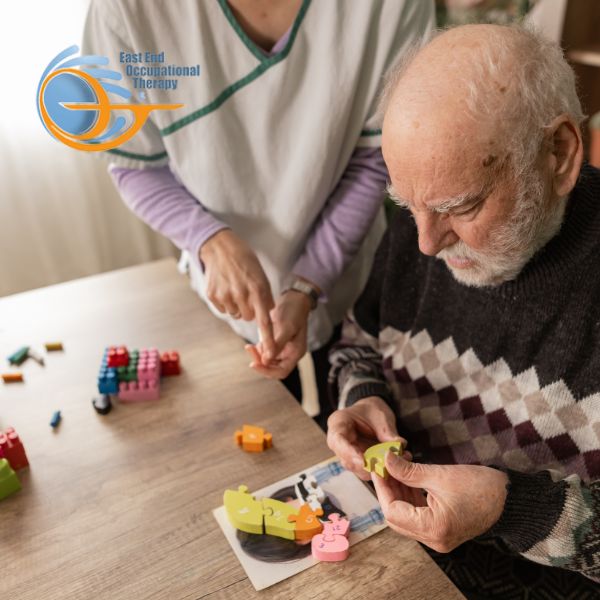
What to Expect at East End Occupational Therapy
At East End Occupational Therapy, every patient receives an individualized evaluation at the start of care. The therapist will assess the current status of the hand and wrist, discuss recovery goals, and design a treatment plan that addresses each patient’s specific needs and priorities.
The team is committed to providing compassionate, evidence-based care in a welcoming environment. Whether a patient is in the early stages of post-surgical recovery or working to rebuild strength and function in the later phases of rehabilitation, East End OT is equipped to provide the skilled care needed at every step of the process.
Schedule Your Appointment
If you have recently had carpal tunnel surgery or are planning to undergo the procedure, do not wait to begin your rehabilitation. The sooner you connect with a hand therapy specialist, the better positioned you will be for a full and successful recovery. Contact East End Occupational Therapy today to schedule an evaluation and take the first step toward restoring your hand function.
Hear From Our Patients